A Parent‑Friendly Guide from GreeneHouse Children’s Center
Potty training is one of those milestones that can feel exciting, stressful, and confusing all at once. When a child seems “stuck” or uninterested long after we expect them to be ready, it’s easy for parents to feel frustrated or to wonder whether their child is being stubborn.
But child development experts, pediatric therapists, and occupational therapy researchers consistently remind us of something reassuring:
👉 Most long‑term potty‑training challenges are sensory and neurological — not behavioral.
Understanding this can help parents shift from pressure and worry to patience, confidence, and compassion.
🧠 Why Some Children Don’t Feel the Urge to Go
Many specialists in pediatric continence and sensory processing, including pediatric urologists like Dr. Steven Hodges and interoception researchers such as Kelly Mahler, OTD, explain that some children simply don’t feel their internal body signals clearly.
Here’s why:
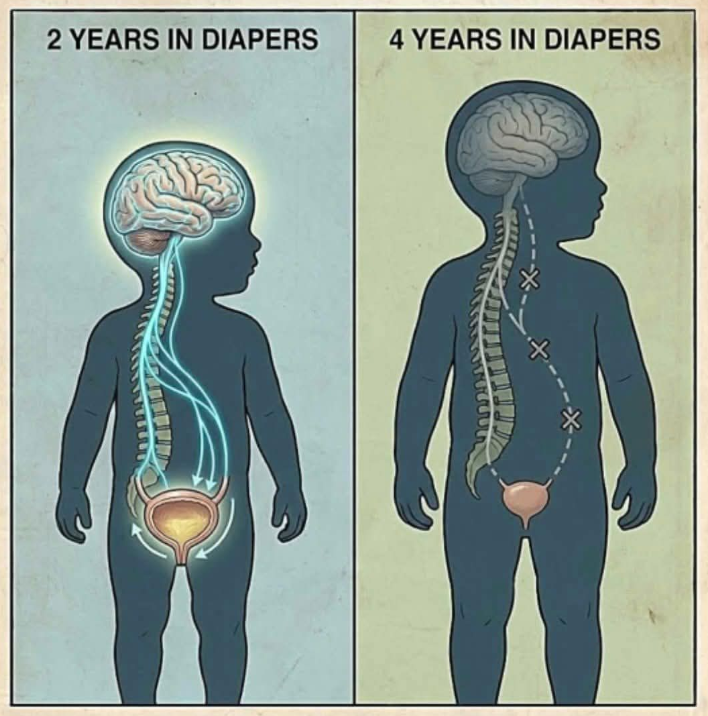
- Highly absorbent diapers reduce sensory feedback -Modern diapers are designed to keep children dry. They absorb moisture so quickly that many children never feel wetness. Without that sensory experience, the brain gradually stops paying attention to the act of urinating. Over time, the communication pathway between the bladder and the brain can weaken simply because it hasn’t been used.
- Pull‑ups work the same way – Pull‑ups feel like underwear but function like diapers. They continue to block the sensory feedback children need to make the connection between “I feel something” and “I need to go.”
- Interoception varies from child to child – Interoception — the sense that helps us notice internal signals like hunger, thirst, or bladder fullness, develops differently in every child. Some children feel these cues clearly. Others need more time and support to recognize them.
- Earlier toilet learning supports stronger awareness
- The American Academy of Pediatrics (AAP) notes that many children show readiness between 18–30 months. At this age, the brain is still actively forming the “I feel something → I need to go” connection.
When training begins much later, children may need extra time to rebuild that awareness.
🌼 What This Means for Older Toddlers and Preschoolers
For children who are 3, 4, or even 5 years old, potty training is often less about learning a new routine and more about rebuilding body awareness that didn’t fully develop earlier.
Potty awareness develops through experiencen. Noticing the urge, feeling wetness, and connecting those sensations to the action of using the toilet. When children haven’t had enough sensory feedback during their early years, these connections may not be strong yet, and they need time and support to rebuild them.
This reframes the process from:
❌ “They’re being stubborn.”
❌ “They’re refusing.”
❌ “They should know better.”
to:
✔️ “Their body isn’t sending clear signals yet.”
✔️ “They need sensory experiences to reconnect the dots.”
✔️ “They can learn this with time, patience, and support.”
This shift alone can reduce stress for both parents and children.
💡 Gentle, Effective Tips for Parents
Here are developmentally appropriate strategies that support sensory awareness and reduce pressure:
- 1. Build predictable bathroom routines – Invite your child to sit on the toilet at consistent times — after meals, before bath, before leaving the house. Routine builds familiarity and reduces anxiety.
- Use clothing that supports independence – Choose easy‑on, easy‑off clothing so children can respond quickly when they notice a body cue.
- Offer natural sensory feedback -If appropriate, consider transitioning out of highly absorbent diapers during waking hours. Training underwear or cotton briefs allow children to feel wetness safely, which helps rebuild awareness.
- Narrate body cues – Use simple language that helps children connect sensations to actions like: “Your tummy might feel tight when you need to pee.” or “Let’s check in with your body.”
- Celebrate progress, not perfection – Accidents are part of learning. Respond with calm reassurance: “Oops, that happens. Let’s try again next time.”
- Avoid pressure or shame – Children learn best when they feel safe, supported, and unhurried.
- Ask for help if needed – If potty training has been challenging for a long time, an occupational therapist or pediatrician can help assess sensory or developmental factors.
🌟 A Final Word of Encouragement
Every child develops at their own pace. If potty training has been stressful, you’re not alone…and your child is not behind. With understanding, patience, and the right sensory support, children can strengthen the body‑brain connection they need to succeed.
GreeneHouse Children’s Center is here to support families through every stage of early childhood development. If you ever have questions or want guidance, we’re always happy to help.