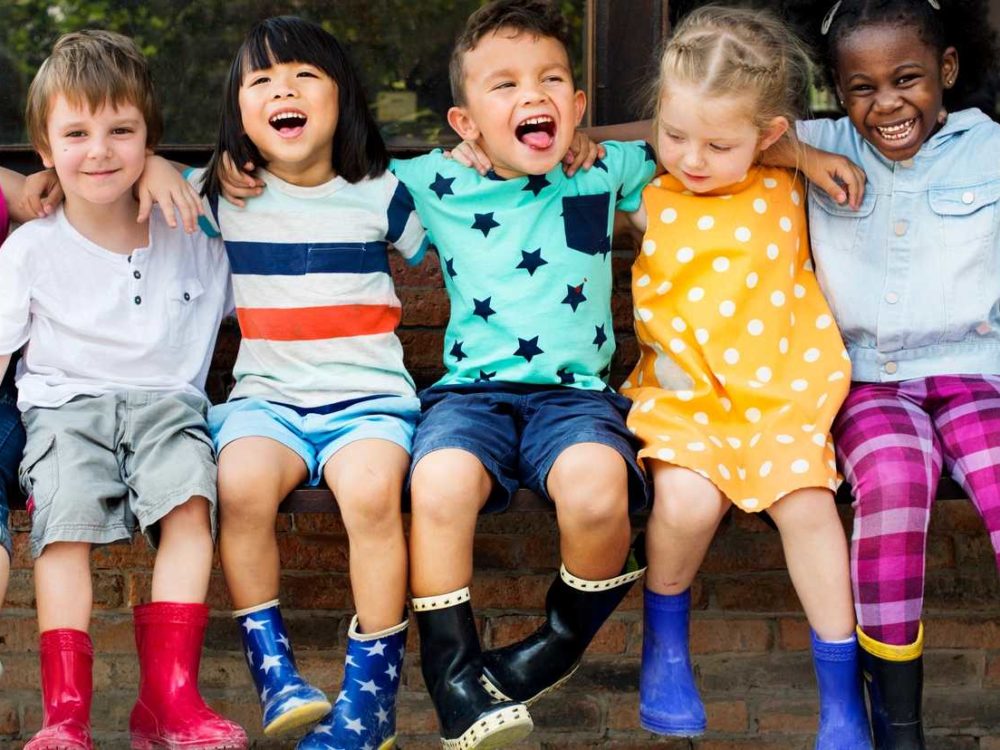
How messy play grows science skills, confidence, and curiosity at Greenehouse Children’s Center
At Greenehouse Children’s Center, nestled near the natural beauty of Sequatchie County, spring is more than a season—it’s a sensory invitation.As the weather warms, our outdoor learning spaces become vibrant laboratories where children explore textures, smells, sounds, and the rhythms of nature. One of our most beloved activities this time of year is making seed bombs, a hands‑on, delightfully messy project that blends sensory play with long‑term science learning.
This activity isn’t just fun. It’s developmentally rich, grounded in early childhood best practices, and designed to help children understand how living things grow.
🌱 Why Sensory Gardening Matters in Early Childhood
Our sensory gardening projects often use native wildflower seeds commonly found throughout Sequatchie County, helping children connect with the plants and pollinators in their own community Young children learn through their senses long before they learn through worksheets. Sensory gardening activities—especially those involving soil, water, and natural materials—support:
- Neural development through tactile exploration
- Fine‑motor skills as children pinch, roll, and shape materials
- Language growth as they describe textures, smells, and observations
- Emotional regulation through grounding, hands‑on play
- Scientific thinking as they predict, observe, and compare
These benefits align with developmentally appropriate practice (DAP) and are strongly supported by early childhood research.
🌼 What Exactly Are Seed Bombs?
Seed bombs are small balls made from:
- Clay
- Soil
- Water
- Native wildflower seeds
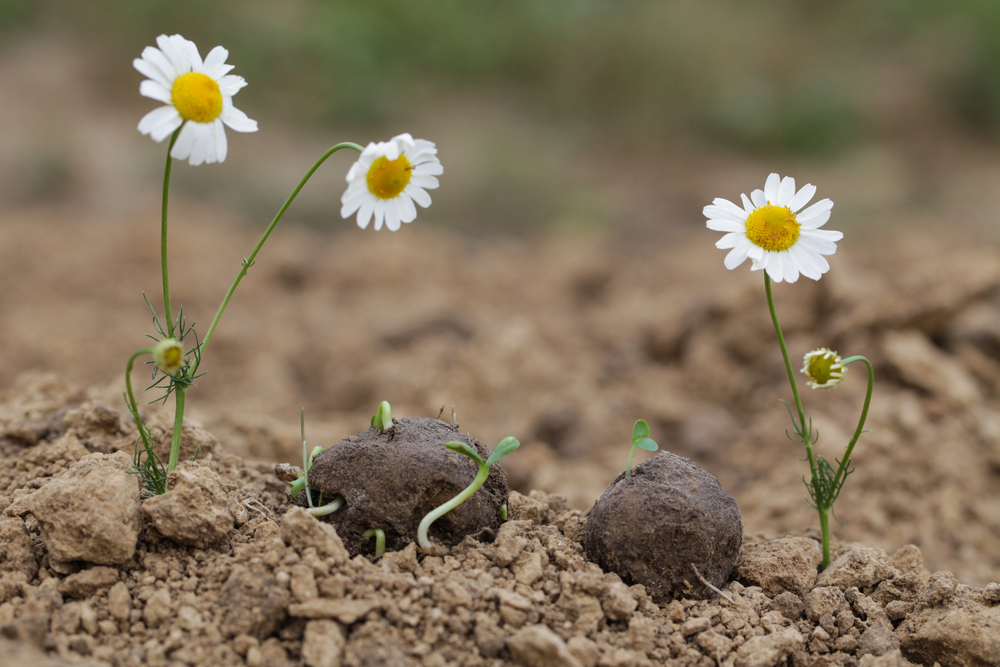
Once dry, children toss them into a garden bed or outdoor learning area. Over time, rain breaks the clay apart, the seeds settle into the soil, and sprouts begin to appear.
For preschoolers, this becomes a living science experiment that unfolds over weeks and months. They learn:
- How seeds germinate
- What plants need to grow
- How weather affects living things
- The role of pollinators
- Patience and observation
👐 The Joy (and Purpose) of Messy Play
We intentionally create opportunities for children to dig, squish, splash, and explore. Messy play is not a distraction from learning—it is learning.
When children make seed bombs or mud pies, they’re practicing:
- Cause and effect
- Sensory integration
- Creative problem‑solving
- Early engineering (“What happens if I add more water?”)
- Collaboration and communication
One of our teachers recently shared, “The children were so proud to check their seed bomb spots each week. They noticed the tiniest sprouts before any of us did.” These moments build confidence and curiosity.
🌸 How We Make Seed Bombs at Greenehouse
Our process is simple, safe, and designed for little hands:
- Mix dry soil and clay in a large bowl.
- Add native wildflower seeds—safe for local ecosystems.
- Sprinkle in water slowly until the mixture sticks together.
- Roll into small balls (children love this step).
- Dry in the sun for 24–48 hours.
- Toss into our outdoor learning garden and observe over time.
Teachers supervise each step, ensuring materials are non‑toxic and appropriate for preschool use.
🌿 The Long‑Term Learning: Watching Germination Happen
Once the seed bombs are in the ground, the real magic begins. Over the next several weeks, children:
- Look for the first signs of sprouting
- Compare which areas grow fastest
- Notice how sunlight and rain affect growth
- Observe insects and pollinators visiting the flowers
This transforms gardening into a months‑long science investigation, giving children a sense of ownership and wonder.
🌻 Try It at Home
Families in and around Sequatchie County can look for native wildflower seed mixes that thrive in our region’s soil and climate.. Choose native wildflower seeds to support local pollinators and ensure healthy growth. Pick a sunny spot where your child can check on their flowers regularly—the anticipation is half the fun.
🌼 Greenehouse Children’s Center: Where Learning Grows Naturally
For more than a decade, Greenehouse Children’s Center has created nature‑rich, sensory‑informed learning experiences that help young children thrive. Activities like seed bombs and mud pies aren’t just seasonal fun—they’re part of our commitment to nurturing confident, curious, capable learners. At Greenehouse Children’s Center, we’re proud to help young learners explore the natural beauty that makes Sequatchie County such a special place to grow.
Our teachers are trained in developmentally appropriate practice and sensory‑based learning, which is why activities like seed bombs are part of our curriculum. At Greenehouse Children’s Center, we intentionally design experiences that build confidence, curiosity, and foundational science skills. If you’re seeking a trusted early‑learning program in Sequatchie County, we invite you to explore what makes our center unique. Come by or call us for an appointment to come by and visit 423-949-3200 .
📚 Research & Resources for Parents
Here are two accessible, reputable sources that support the value of sensory play and gardening in early childhood:
1. Harvard Center on the Developing Child – “How Children Learn Through Play”
Explains how hands‑on, sensory‑rich experiences strengthen brain development.https://developingchild.harvard.edu/resources/how-children-learn-through-play/ (developingchild.harvard.edu in Bing)
2. Michigan State University Extension – “Gardening with Young Children”
Covers the developmental benefits of gardening, including sensory exploration and science learning.https://www.canr.msu.edu/news/gardening_with_young_children (canr.msu.edu in Bing)